Silence in biological environments

by | Oct 2, 2024

This study presents a new sound-absorbing material made from plastic bottles and biocompatible PET felt.

Abstract

Noise pollution negatively impacts people’s mental and physiological health. Unfortunately, not only is noise present in hospital environments, but its level frequently exceeds recommended thresholds. The efficacy of passive acoustic absorbers in reducing indoor noise in these scenarios has been well-documented. Conversely, given their inorganic composition and their origin in the petrochemical industry, most of these materials present a risk to human health.

Over the last few years, there has been a notable increase in research on eco-friendly, low-toxicity, and biocompatible materials. This work outlines a methodology for fabricating recycled acoustic panels from plastic bottles and PET felt composites. This study encompasses three key objectives: (i) a comprehensive biocompatibility assessment of the panels, (ii) an evaluation of their thermal and acoustic properties, and (iii) their applicability in several case studies to evaluate potential acoustic enhancements.

Specifically, antifungal resistance tests, Volatile Organic Compound (VOC) emission assessment, and cell viability experiments were conducted successfully. Additionally, experimental procedures were performed to determine the thermal conductivity and thermal resistance of the proposed material, along with its sound absorption coefficients in diffuse field conditions.

Finally, the potential benefits of using this biomaterial in healthcare environments to reduce noise and improve acoustic comfort were demonstrated.


See publication

PUBLICACIONES DESTACADAS

Uncategorized

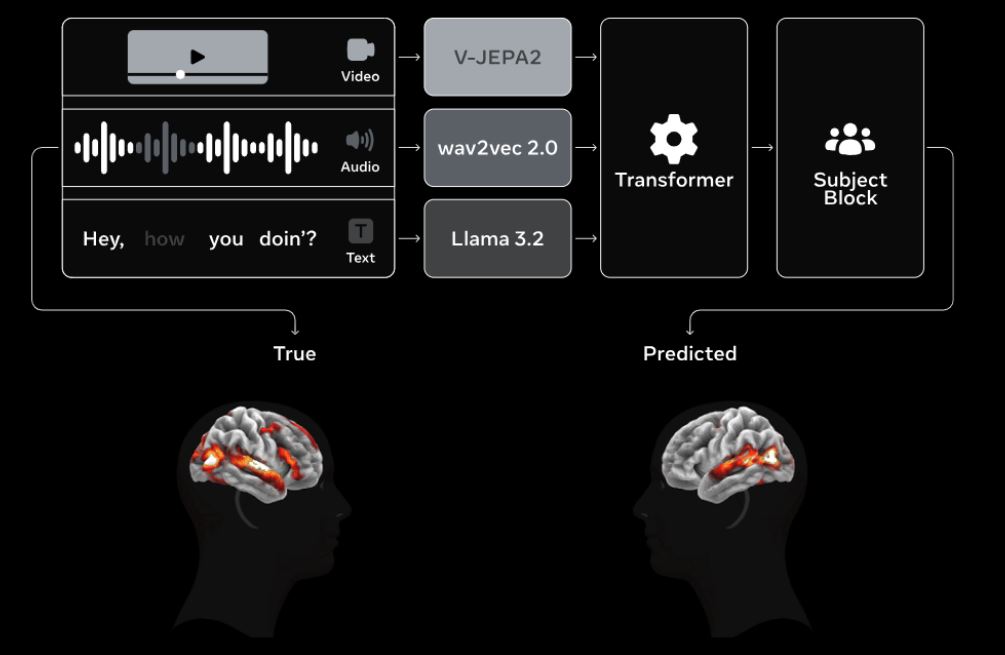
Meta built a digital brain you can run experiments on

The AI models behind ChatGPT, modern video generators, and voice assistants were never trained on brains. They learned from text, video, and audio scraped off the internet. And yet, a new paper from Meta's FAIR lab shows that if you take what these models have internally learned and add a small layer trained on fMRI recordings (a kind of brain scan) from 720 people, the result is something close to a working model of the human brain.

Uncategorized

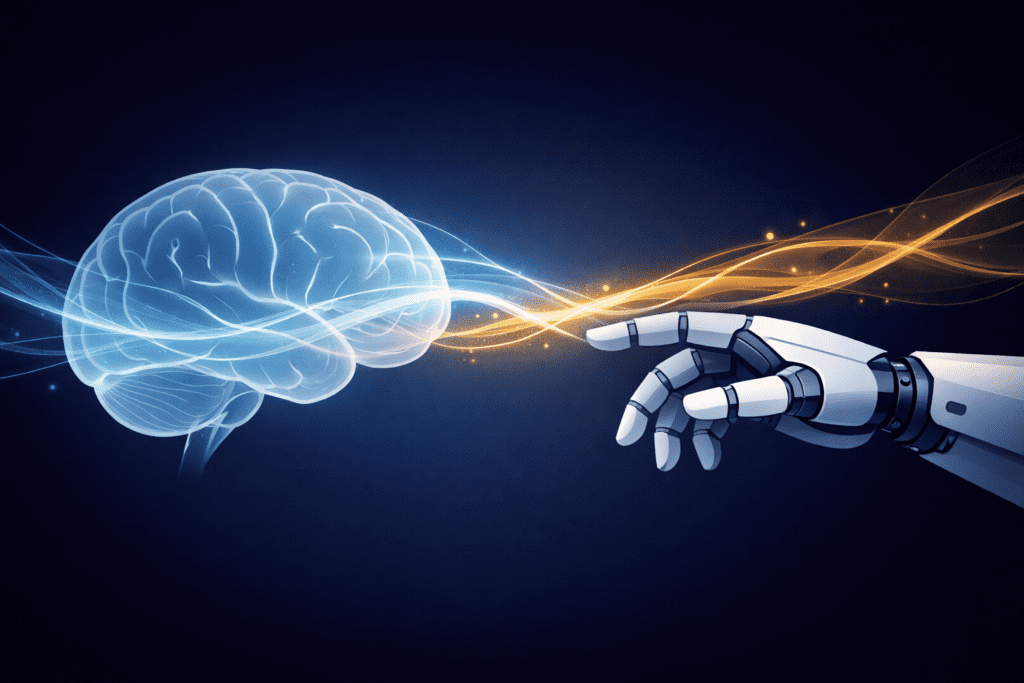
Can AI Make Brain-Computer Interfaces Actually Work?

Brain-computer interfaces have promised to let people control machines with their thoughts, but they have a fundamental problem: brain signals, especially those captured without surgery, are noisy and imprecise. Most research has tried to build better decoders to extract cleaner commands from the noise, but there’s a limit to how much that helps. A recent study took a different approach.

Scientific paper

Advances in sonobiology

Sonobiology studies how acoustic waves and low vibrations influence key cellular processes, such as growth and differentiation, through mechanisms that connect mechanical stimuli with gene expression.

Meta built a digital brain you can run experiments on

The AI models behind ChatGPT, modern video generators, and voice assistants were never trained on brains. They learned from text, video, and audio scraped off the internet. And yet, a new paper from Meta's FAIR lab shows that if you take what these models have internally learned and add a small layer trained on fMRI recordings (a kind of brain scan) from 720 people, the result is something close to a working model of the human brain.

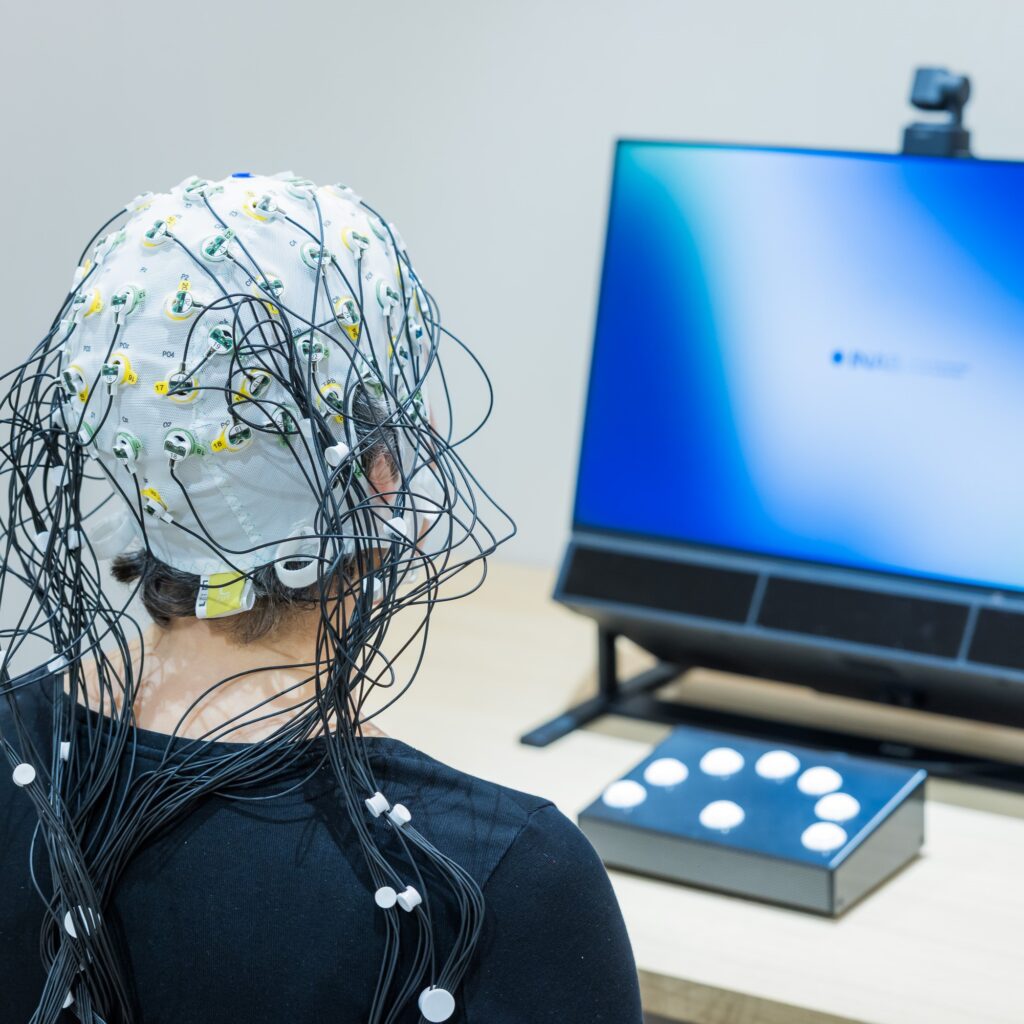
From zero to a neuroscience laboratory

Methodological article proposing a structured framework for designing multimodal laboratories in neuroscience, addressing infrastructure, environmental control, synchronization and data management.

Can AI Make Brain-Computer Interfaces Actually Work?

Brain-computer interfaces have promised to let people control machines with their thoughts, but they have a fundamental problem: brain signals, especially those captured without surgery, are noisy and imprecise. Most research has tried to build better decoders to extract cleaner commands from the noise, but there’s a limit to how much that helps. A recent study took a different approach.

Measuring presence at work

Two application tools for work environments are presented, improving the understanding of presence and its impact on organizational results.

Effects of gratitude on cells

This study explores how gratitude-induced acoustic changes in the human voice could influence cell proliferation, suggesting a possible interaction between emotions and cell biology through physical principles.

Advances in sonobiology

Sonobiology studies how acoustic waves and low vibrations influence key cellular processes, such as growth and differentiation, through mechanisms that connect mechanical stimuli with gene expression.