

Challenging the Limits of Neuroscience
At the Advanced Neuroscience Institute of Barcelona, we combine cutting-edge technology with a humanistic approach to advance new scientific models of the mind, brain, and consciousness.
What makes INAB unique is our commitment to the most everyday aspects of human beings and their integral well-being.
Challenging the traditional boundaries of science, we promote transformative ideas and discoveries that seek to positively impacting humanity.
Our research lines
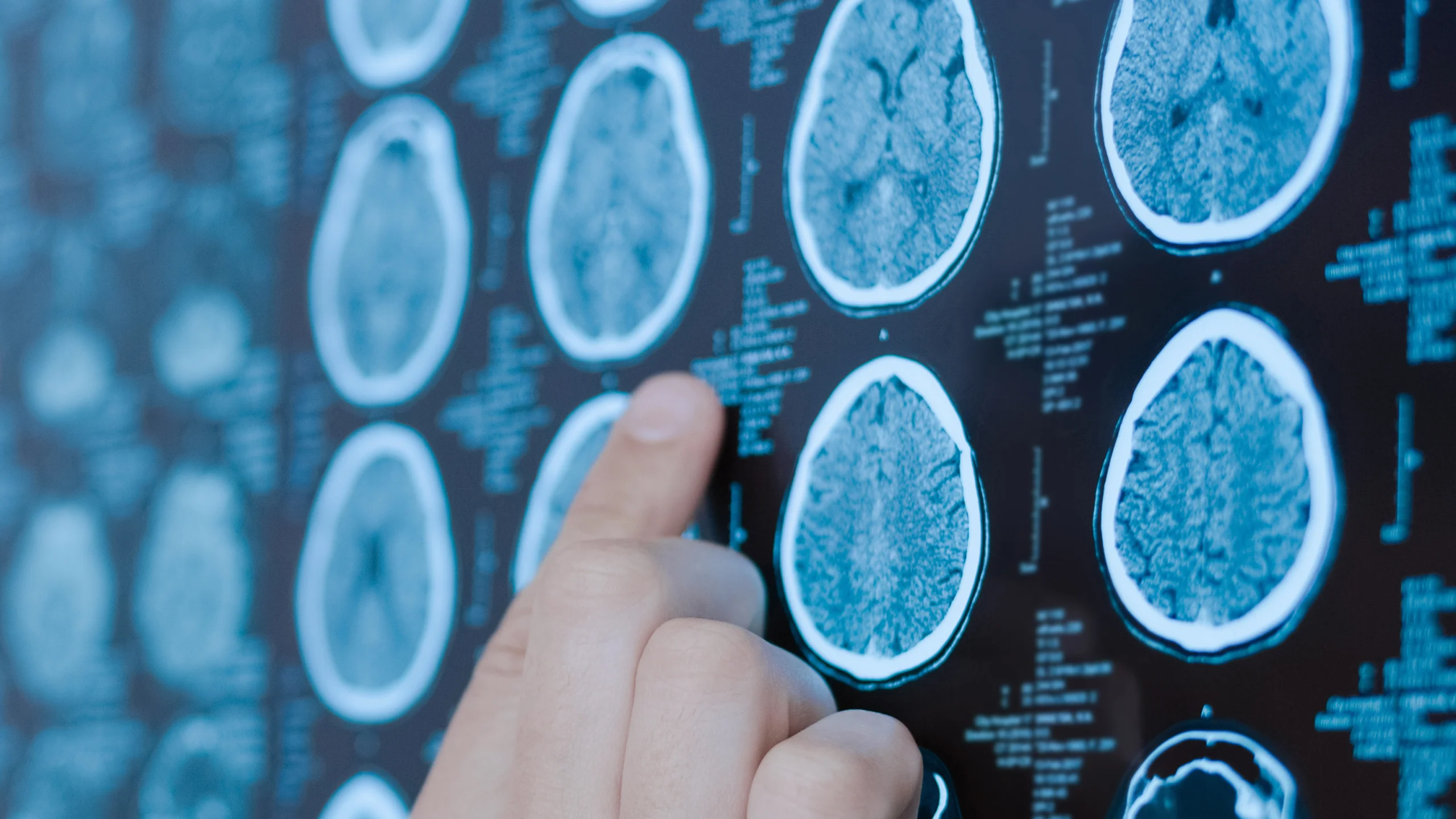
Thought and emotion
This line of research aims to study the processes through which thoughts are generated and how they relate to emotions.
It includes research on the possible emergence of new basic emotions, the analysis of thought and emotion in social interaction contexts, and the study of the mechanisms through which thoughts arise in the human mind. Through different methodological approaches—including electroencephalography, fNIRS, eye-tracking, and physiological measures—we aim to shed light on these processes that determine why we are the way we are and why we do what we do.
Pressure, stress and fear
This line of research focuses on the study of the psychological and neurophysiological mechanisms involved in human responses to stress, pressure, and fear. It includes research on fear learning and conditioning, the influence of hormonal states on its acquisition and extinction, and the impact of interpersonal criticism on health and well-being, among other areas. The aim is to identify and characterize the processes underlying these responses in order to improve their experimental measurement and contribute to the development of effective tools to prevent stress from becoming a way of life.

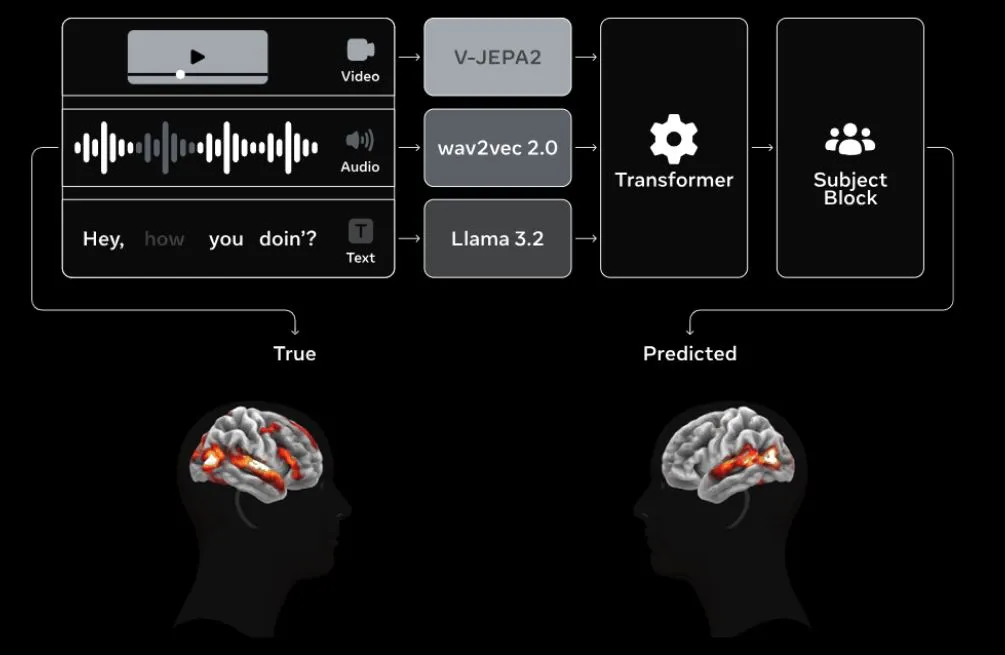
Consciousness
This line of research addresses different aspects of human consciousness from an experimental perspective. It includes studies on perception and subjective experience, such as the perception of qualia associated with color; cognitive vision processes, examining the effects of brief sensory deprivation on visual experience; and the investigation of phenomena such as extrasensory experiences or the role of psychological states like gratitude in well-being. Analyzing these phenomena through experimental methods and neurophysiological tools will help expand scientific knowledge of the processes underlying conscious experience.
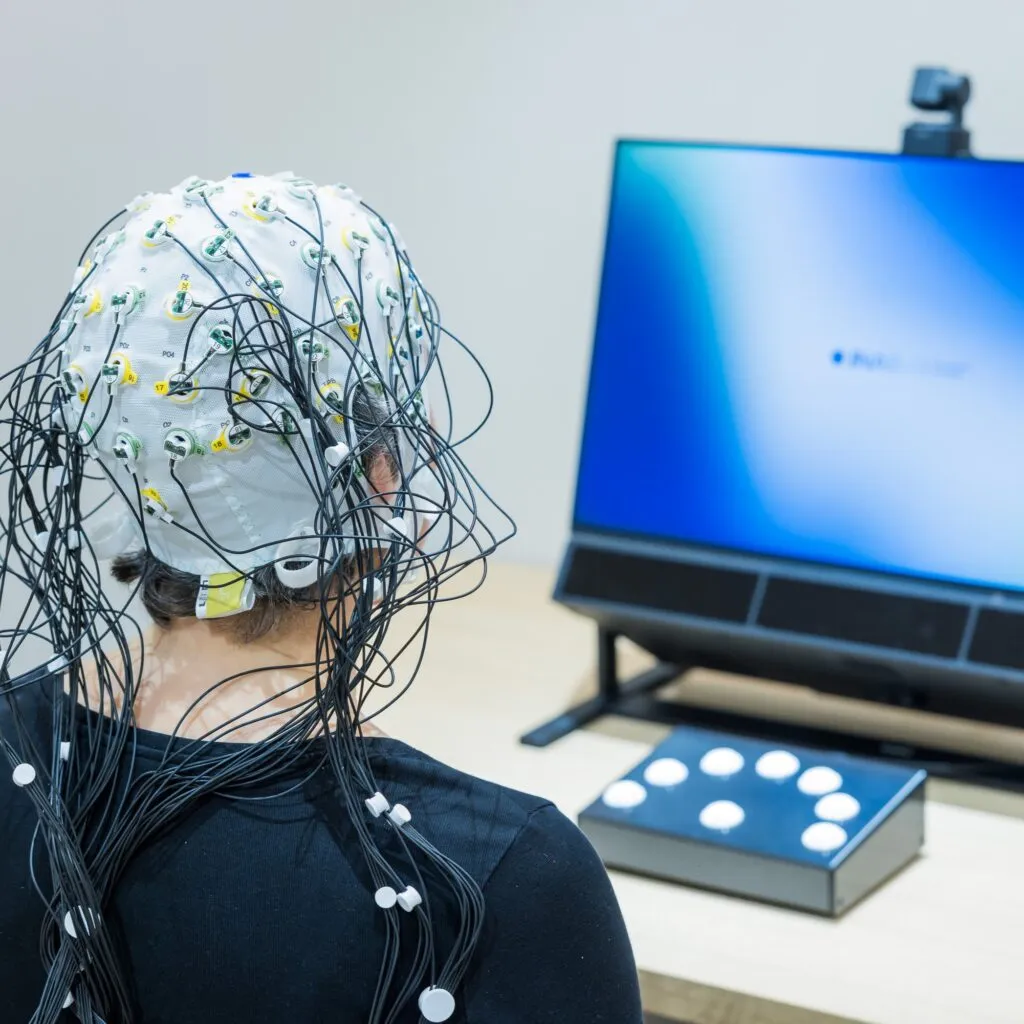
OUTSTANDING PUBLICATIONS




Xavi Ginesta
David del Rosario
The founders
Xavi Ginesta and David del Rosario founded INAB with the purpose of challenging the traditional limits of neuroscience using cutting-edge technology. INAB is part of the Humanitas Foundation, an ecosystem of non-profit organizations that brings together various initiatives with a strong social purpose.
“At INAB we go beyond the traditional boundaries of neuroscience to advance with scientific rigor a more conscious, compassionate and collaborative society.”
David del Rosario
PANEL OF EXPERTS AND COLLABORATORS
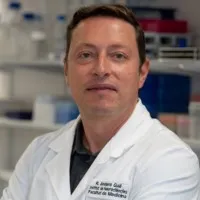
Raül Andero Galí, PhD.
ICREA Research Professor (UAB)
Raül Andero, Ph.D. in Neuroscience (Extraordinary Doctoral Prize, UAB), specialized in behavioural animal models of stress and memory. Postdoctoral Fellow and later Research Associate in the laboratory of Dr. Ressler at the Howard Hughes Medical Institute, Emory University. Instructor in Psychiatry at McLean Hospital, Harvard Medical School, combining research with psychiatric patients and animal models of fear memory. Ramón y Cajal Fellow and founder of his laboratory at the UAB-Institute of Neuroscience (2016). ICREA Research Professor.
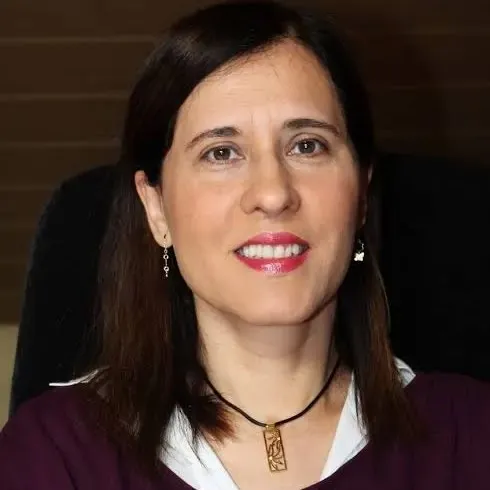
Roser Nadal, PhD.
Full Professor of Psychobiology and Health Sciences Methodology (UAB).
PhD in Psychology (UAB), she is Full Professor of Psychobiology at the Universitat Autònoma de Barcelona and a researcher at the Institute of Neurosciences. She was an ICREA Acadèmia Researcher in Behavioral Sciences (2014–2019) and Vice Director of the Institute of Neurosciences (2010–2016). She has conducted research stays at Wake Forest University, University of California San Francisco, University of Colorado Boulder, and University of British Columbia. She has published over 110 international publications and directed 13 doctoral theses, with 6 more currently in progress. She is a member of CIBERSAM, the TECSAM network, the Stress Research Network, and the INc-UAB/Taulí Translational Neuroscience Joint Unit. Her research focuses on the neurobiology of stress, early life experiences, individual differences, and vulnerability biomarkers in neurodevelopment, currently co-directing the UAB Human Laboratory. Recognized among the “Top 100 Women Leaders in Spain” in the academic category (2019).

Daniel Ruiz Fernández, PhD.
Professor in the Department of Computer Technology and Computing at the University of Alicante (UA)
Professor in the Department of Computer Technology and Computation at the University of Alicante and holds a Ph.D. in Computer Science (2003). His research focuses on artificial intelligence in medicine, medical informatics, e-health, telemedicine, clinical decision support systems, and clinical data analysis. He is the Academic Coordinator of the Biomedical Engineering Degree and Director of the IBIS Research Group (Bioinspired Engineering and Health Informatics). He has led national and regional projects in medical informatics and has published in JCR-indexed journals and international conferences. Member of the Spanish Society of Biomedical Engineering and Senior Member of IEEE.
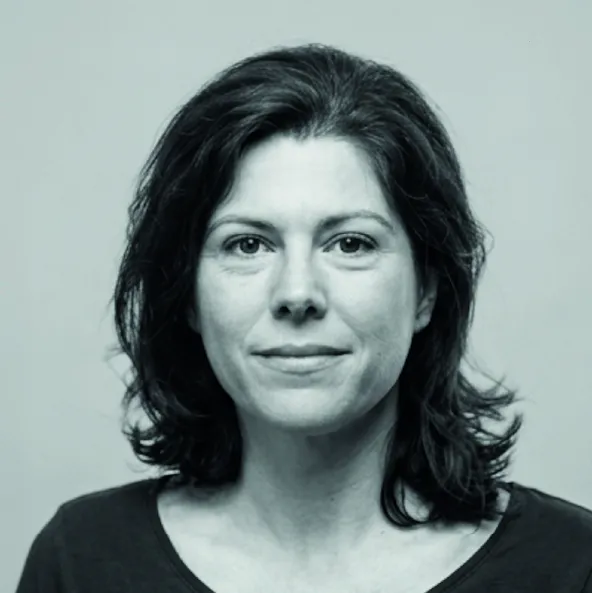
Violeta Gomez Vicente, PhD.
Associate Professor (UA)
She holds a degree in Biology from the University of Alicante (1998) and a PhD in Biochemistry from University College Cork (2006). Her doctoral studies marked the beginning of a career defined by multidisciplinary collaboration and a sustained focus on neurobiology and vision science.
After completing her PhD, she undertook postdoctoral research at two leading institutions in Spain: the Margarita Salas Center for Biological Research (2007–2010) and the University of Alicante (2010–2013).
Since 2014, she has combined research with teaching in the Area of Human Anatomy and Embryology at the University of Alicante, where she is an Associate Professor.
Over the years, she has developed a solid scientific track record, supported by her participation in 22 competitive research projects and six industry-funded knowledge transfer projects. She is the author of one national patent and 28 JCR-indexed publications, 15 of which are in first-quartile (Q1) journals.
Her academic contribution extends beyond publications and includes peer review of scientific articles, conference organization, and the dissemination of her work in specialized forums, with more than 60 presentations at national and international conferences.
She has also undertaken short research stays at prestigious institutions such as the University of Alcalá and the Instituto de Neurociencias de Alicante, which have strengthened ongoing collaborations and contributed to the achievement of high-impact results.
Dr. Gómez-Vicente also maintains a strong commitment to the training and mentorship of early-career researchers. She supervised one PhD thesis (2017) and is currently co-supervising two others. She has been actively involved in student training through the supervision of more than 50 undergraduate and master’s theses, fostering a collaborative environment grounded in scientific rigor and academic integrity.
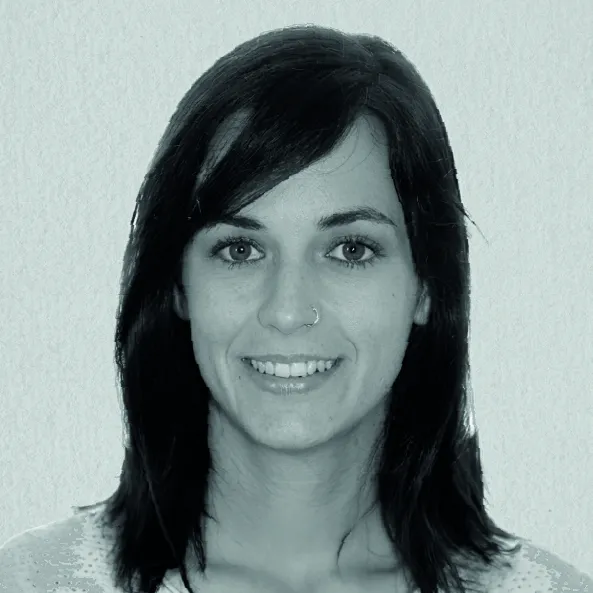
Gema Esquiva , PhD
Associate Professor (UA)
She is an Associate Professor at the University of Alicante and a researcher with 13 years of experience. She has participated in 35 research projects (8 international) and served as Principal Investigator of a project funded by the Generalitat Valenciana (GV/2020/064). She is the author of 24 JCR-indexed publications (16 Q1, 6 D1), with 452 citations and an h-index of 16, as well as one patent.
She has completed research stays at Bispebjerg Hospital (Copenhagen), Queen’s University Belfast, and the Vall d’Hebron Research Institute. She has extensive teaching experience across 15 undergraduate and master’s courses, with a recognized five-year teaching period (quinquenio), participation in educational innovation projects, and supervision of undergraduate and master’s dissertations, as well as doctoral theses.

Nao Tsuchiya, PhD
School of Psychological Sciences, Turner Institute for Brain and Mental Health; Monash University
Nao Tsuchiya is a neuroscientist and Professor of Psychology at Monash University (Australia), where he investigates the neural mechanisms of consciousness by combining experimental, computational, and theoretical approaches. His work focuses on understanding how brain activity gives rise to conscious experience, exploring topics such as the relationship between consciousness and attention, conscious and unconscious processing, and the development of quantitative, data-driven theories of consciousness based on neurophysiological evidence. He earned his PhD in Computation and Neural Systems from the California Institute of Technology and previously obtained a Bachelor of Science from Kyoto University; he has also been a visiting researcher at institutions such as Osaka University and the Advanced Telecommunications Research Institute (ATR). Throughout his career, he has produced numerous scientific publications and leads projects that use techniques such as EEG, fMRI, and mathematical analysis to study the neural and physical basis of consciousness.

María José Araya León, PhD.
Partner Architect at Qualia Estudio and Researcher at Elisava Research.
Architect, PhD in Architecture, Master’s in Industrial Design, and Ergonomist. She has focused her professional career on the development of applied and research projects related to: · The biological and psychological bases of the architectural experience. · Environmental physical well-being. · The systemic view of the relationship between the built environment and human beings. · The principles of neuroarchitecture. · Environmental and physical ergonomics. · Evidence-based design. Collaborating with architects, architecture and design studios, academic institutions, and research centers, as well as advising various companies on improving their spaces with a focus on well-being and scientific evidence.
OUR TEAM
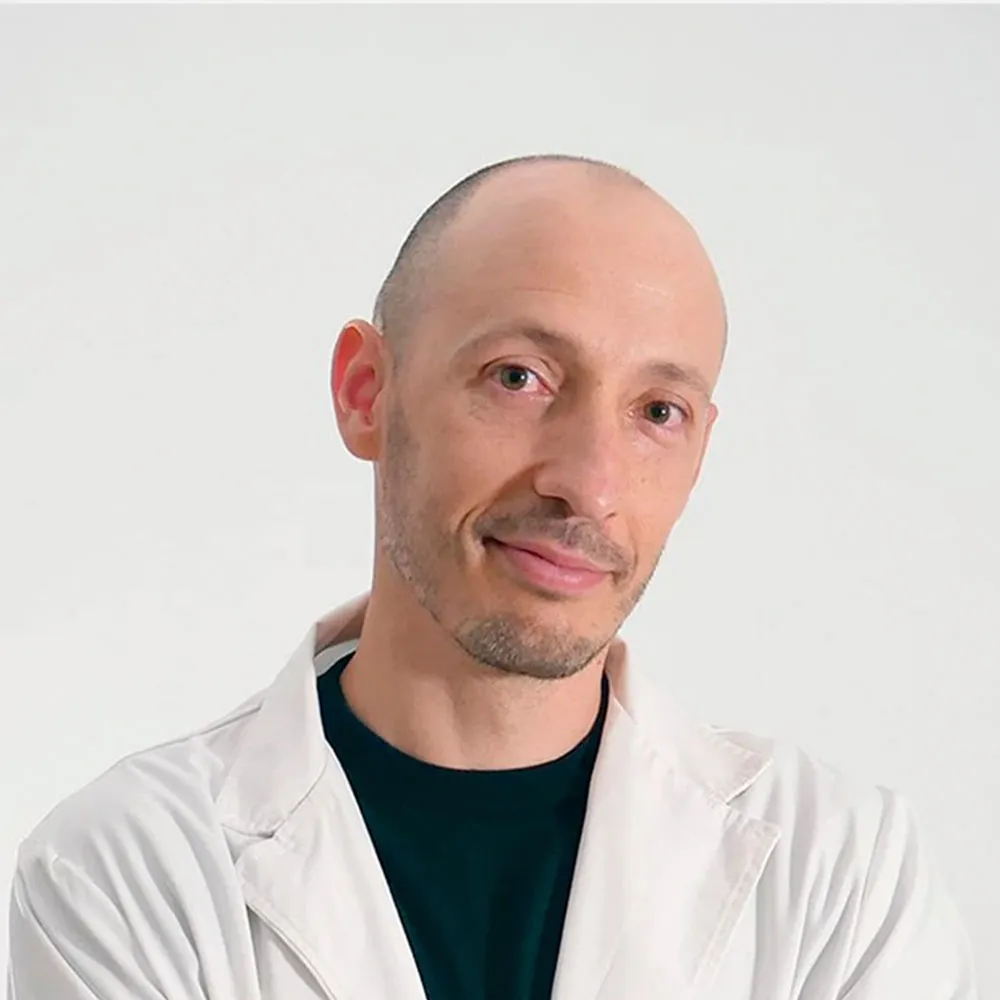
David del Rosario-Gilabert, PhD.
Executive Director and Scientist
Awarded the National Telecommunications Prize (COITT) and the Extraordinary Master’s Prize in Biomedical Engineering (University of Barcelona). PhD in neuroscience with honors, achieving the highest possible grade of “Cum Laude”. Founder and scientific director of two neuroscience research companies. Author of the best-selling The Book Your Brain Doesn’t Want to Read, You Wrote This Book and The Biology of the Present (with Sergi Torres).
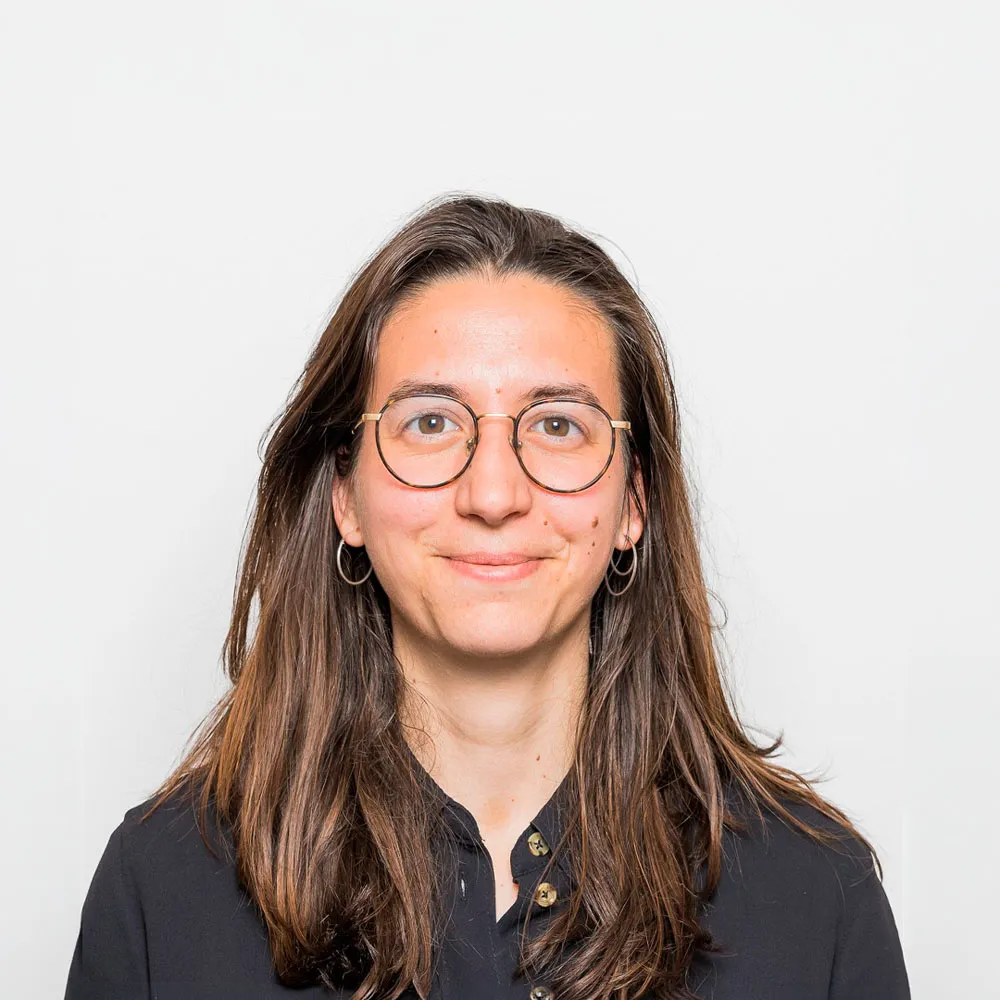
Irene Vigué-Guix, PhD.
Technical and Experimental Coordinator
Graduated in Biomedical Engineering, with a Master’s degree in Brain and Cognition and a PhD in cognitive neuroscience with a technological focus. She has worked at the National Center for Adaptive Neurotechnologies and at OpenBCI, both internationally recognized for their contributions to neurotechnology. Specialized in brain–computer interfaces (BCI), multimodal synchrony of neurophysiological signals, and advanced EEG analysis.
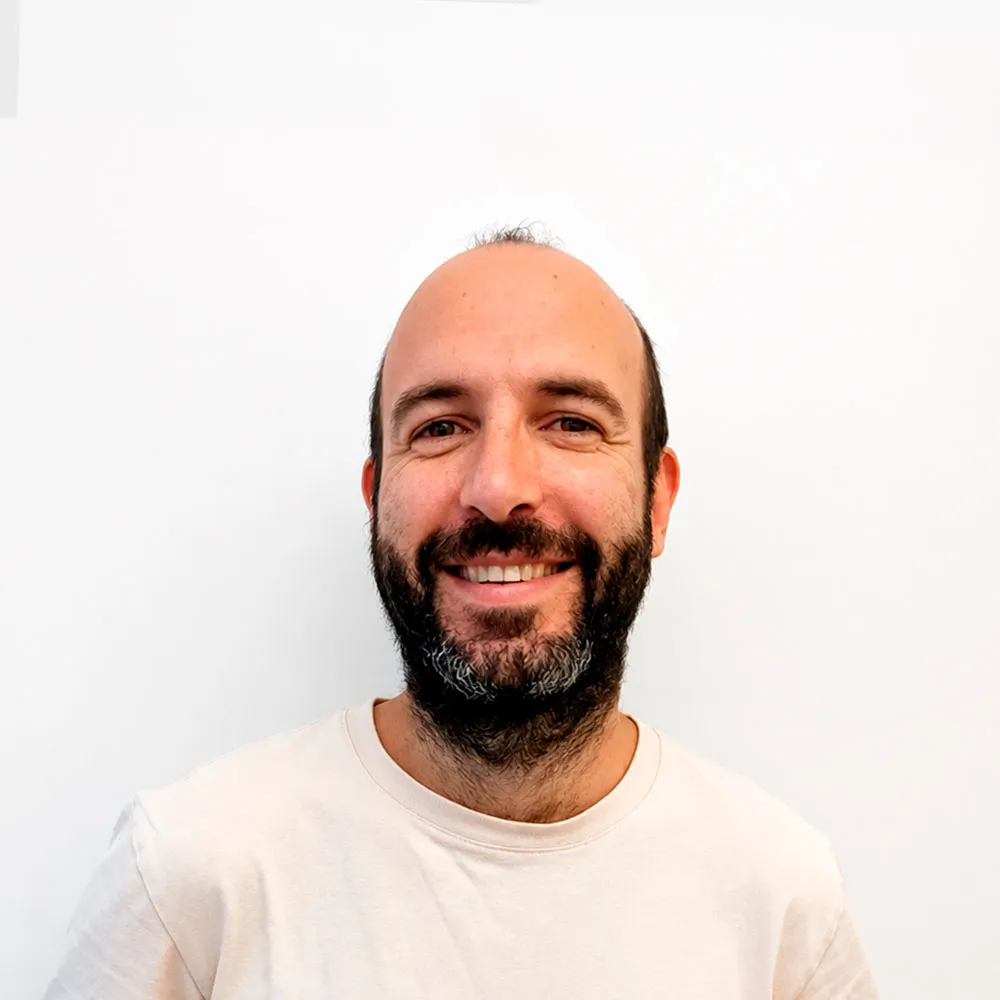
Aleix García-Miquel, PhD.
Operations Coordinator
PhD Cum Laude in Biomedical Engineering from the University of Barcelona, with an international distinction. Engineer and researcher with a solid track record in biomedicine, telecommunications, and electronics. He has developed his career across academic, corporate, and innovation environments, both nationally and internationally, bringing an integrative and global perspective. He combines strategic thinking with strong technical expertise in coordinating R&D projects and multidisciplinary teams oriented towards scientific and technological advancement.
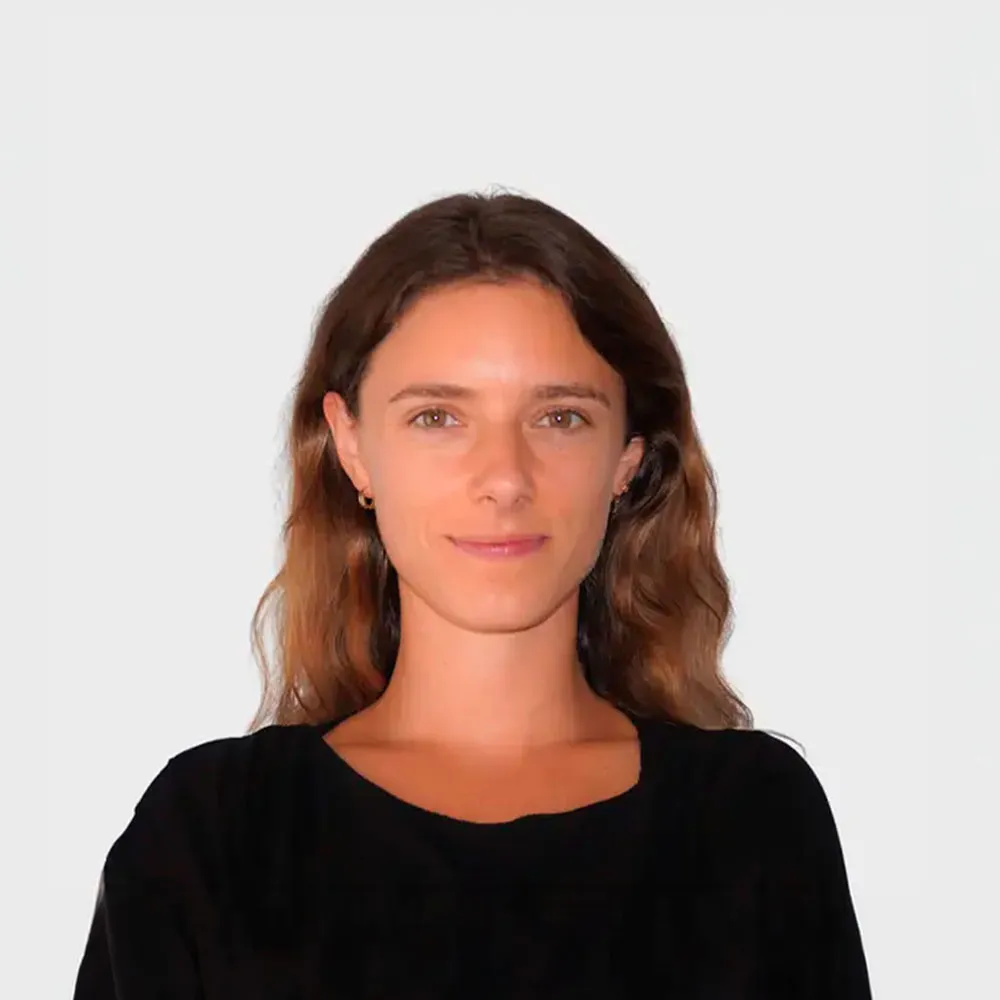
Mamen Regalado-Reyes, PhD.
Participant Experience Coordinator
Graduated in Biotechnology and holds a Master’s degree in Cognitive Neuroscience. PhD in Neuroscience with honors, achieving the highest distinction of Cum Laude. Expert in mindfulness, body-based work, and integrative resilience. Founder of an educational and science-communication project. Collaborates in initiatives oriented toward health promotion and lifestyle well-being.
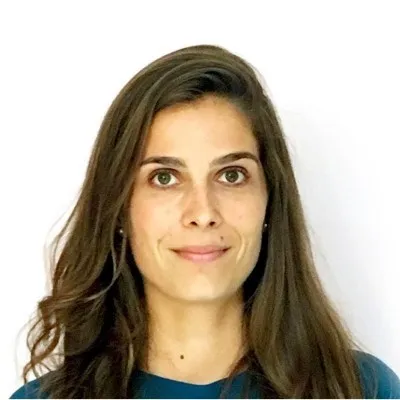
Neus Vila Brunet, PhD.
Senior researcher
She holds a PhD in Organisational Behaviour from the University of Missouri, with a minor in College Teaching, and a postgraduate qualification in Women and Leadership from IESE Business School. A researcher and lecturer with an international career, she has been part of research teams in Europe and the United States, and has taught on undergraduate, postgraduate and doctoral programmes.
Her work has been recognised by the Academy of Management, where her research on presence at work was selected as one of the standout contributions at the Coolness Session of the 84th Annual Meeting. She also received a Winning Award at the Academy of Integrative Health and Medicine conference for her research into the impact of meditation on psychological functioning using sLORETA analysis.
Her research and teaching focus on the study of presence in organisations and its contribution to personal and professional development, as well as to the building of high-quality relationships and teams. She also explores how organisational purpose can be kept alive and foster a greater sense of meaning at work.
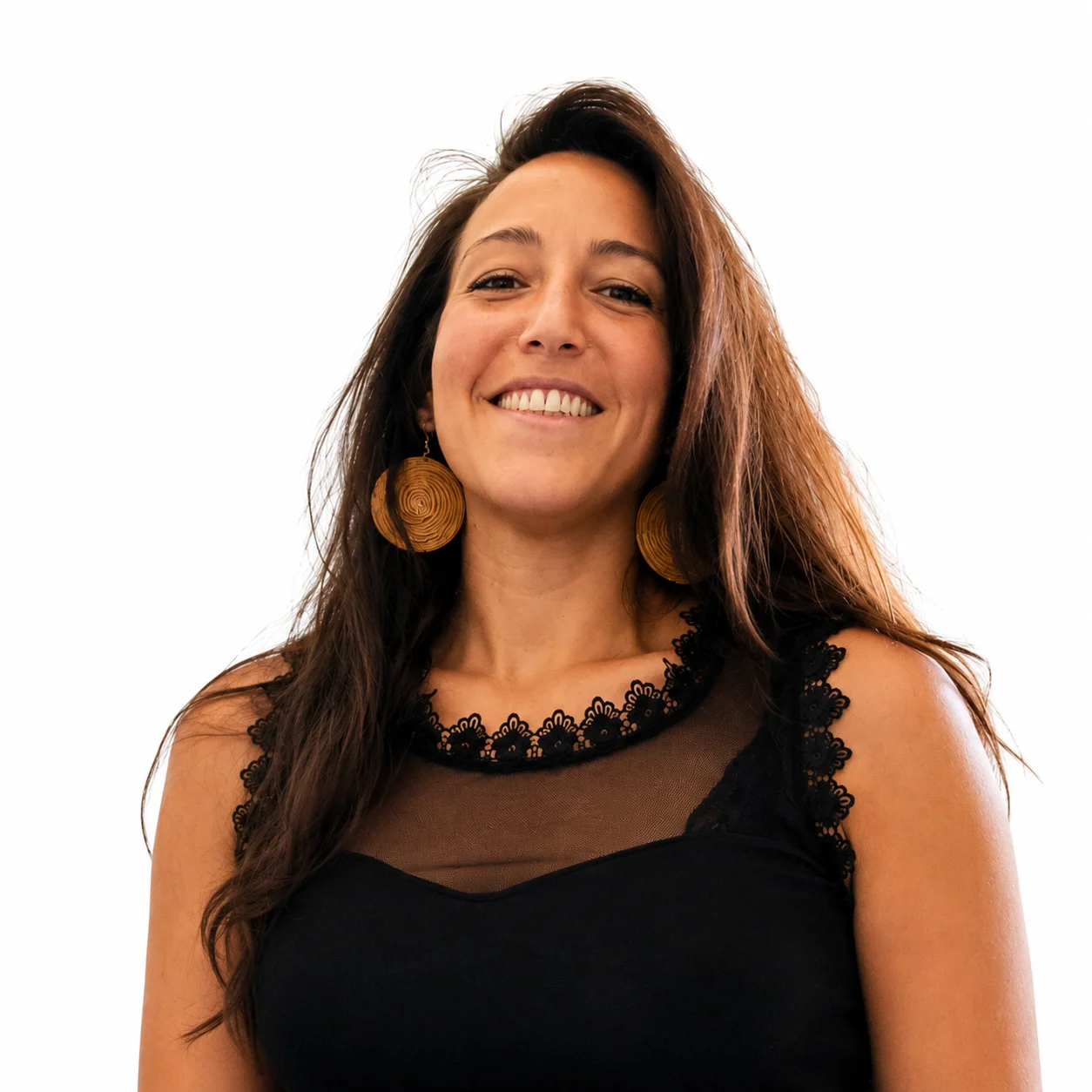
Irene Buttazzi, PhD.
Senior researcher
International PhD in Psycholinguistics from Nebrija University and the Italian National Research Council (CNR), specialized in self-perception, identity, and self-plasticity in plurilingual speakers. Her research examines how language shapes identity, emotions, and autobiographical memory.
With more than twelve years of research experience, she has worked on identity construction, autobiographical cognition, acculturation, and biculturalism in contexts of migration and language acquisition, with particular attention to the bodily, aesthetic, and behavioural dimensions of self-concept.
Her studies integrate autobiographical narratives, experimental psycholinguistics, corpus linguistics, and computational language analysis to deepen the understanding of the narrative dimension of human experience. She has collaborated with the Italian National Research Council (CNR) on computational linguistics methodologies applied to sentiment analysis, topic modelling, and lexical analysis in plurilingual corpora.
In the field of neuroeducation, she has more than fifteen years of teaching and supervision experience in undergraduate, master’s, and doctoral programmes focused on the relationship between the brain, language, and learning in plurilingual contexts, teaching at both national and international institutions.
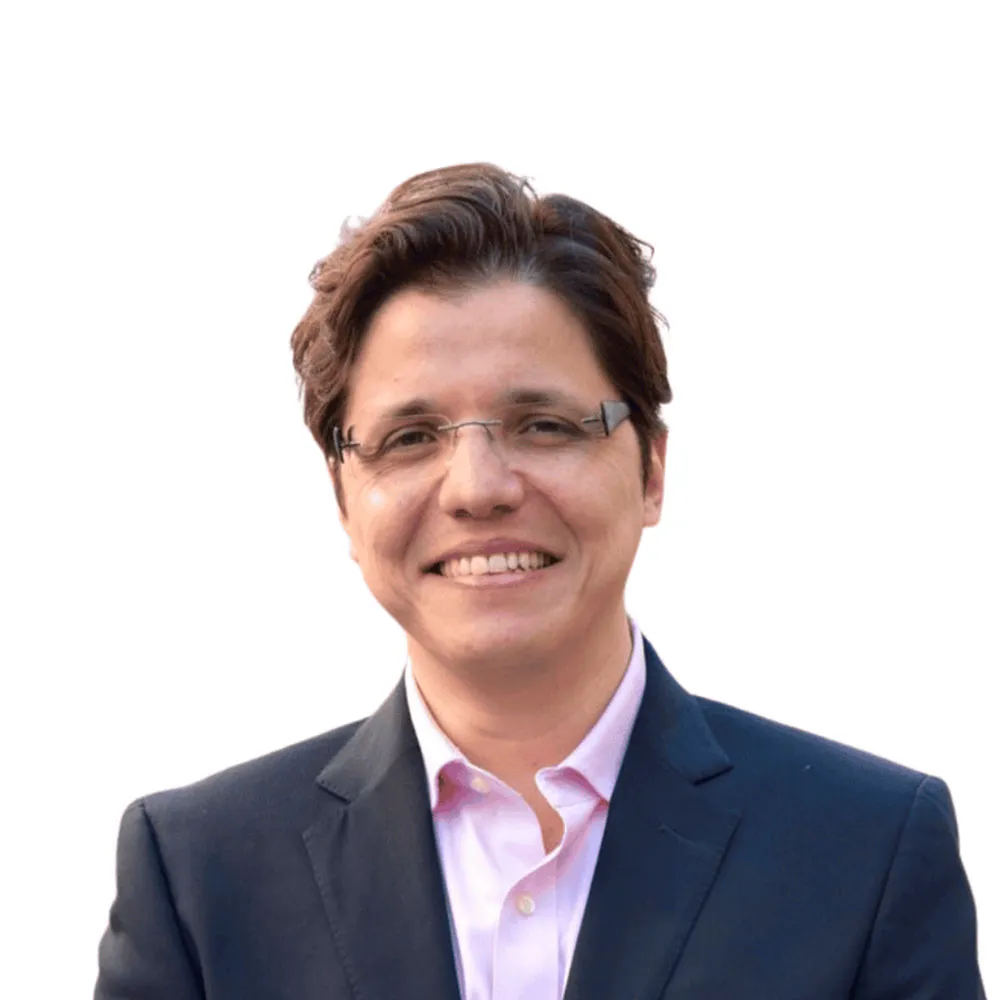
Hugo Caffaratti, PhD
Senior Researcher
PhD in Cognitive Neuroscience with a background in Telecommunications Engineering and Biomedical Engineering. He has developed his research career at leading institutions such as the University of Leicester, the University of Cambridge, Harvard Medical School, and the University of Iowa, specializing in neuroimaging, electrophysiology, and neuromodulation. His research focuses on the neural mechanisms of perception, language, and human brain function, combining basic and clinical research with the development of innovative methodologies.
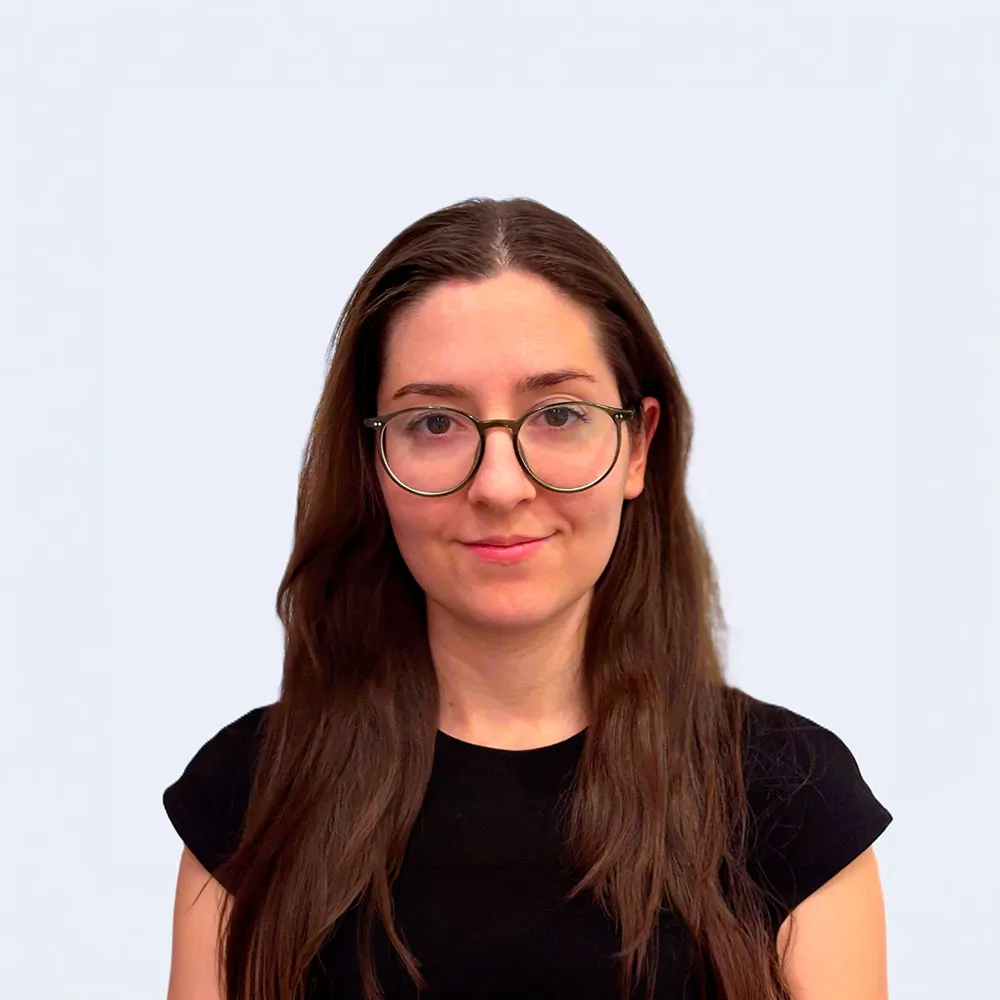
Raquel Aparicio, PhD.
Postdoctoral researcher
Doctora en Neurociencia Cognitiva por la Universidad de Barcelona. Su trayectoria en entornos académicos se ha centrado en comprender, mediante electroencefalografía, cómo el cerebro procesa y representa diferentes tipos de información auditiva. Realizó su doctorado en el marco de un proyecto interdisciplinar financiado por el European Research Council (ERC), donde investigó cómo la exposición a sonidos isocrónicos, relacionados con el uso de ritmos repetitivos en prácticas de percusión, puede favorecer estados de absorción. Durante su etapa postdoctoral, estudió cómo el cerebro codifica las características acústicas del habla y la entonación. Actualmente, su investigación se orienta hacia la neurociencia de la vida cotidiana, con interés en comprender cómo funciona el cerebro durante procesos como el pensamiento y la emoción.
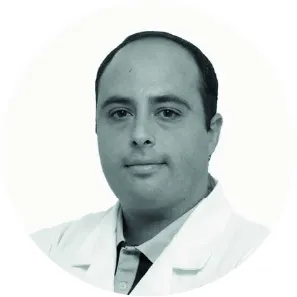
Antonio Valenzuela-Miralles
PhD. Student
Bachelor’s degree in Biotechnology (Miguel Hernández University of Elche) and recipient of the Extraordinary Award of the Official Master’s Degree in Biomedicine (University of Alicante). Author of several research works related to the fields of sonobiology and mechanotransduction.
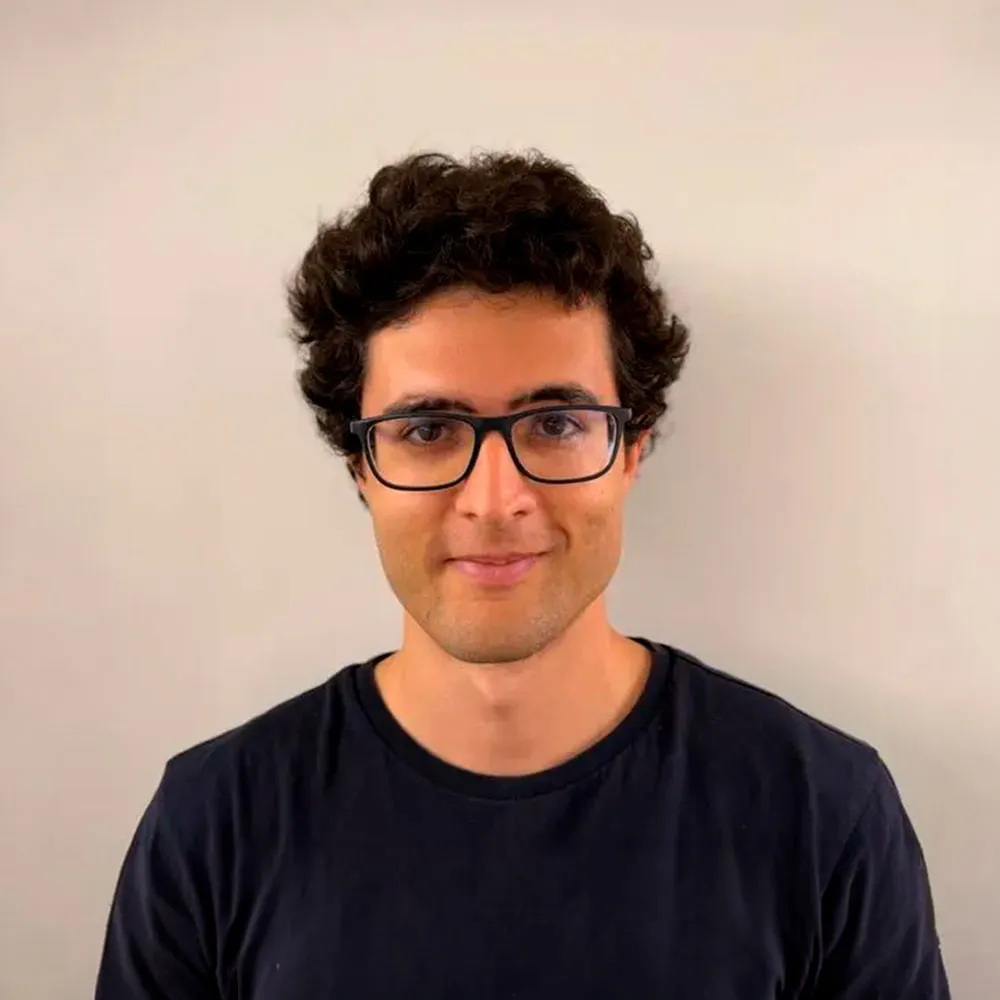
Guillermo Llopis García
PhD. Student
Biomedical engineer specialized in artificial intelligence applied to neuroscience. Studied at the Universitat Politècnica de València and the University of Groningen, he has worked on projects combining AI, neurotechnology, and health. Winner of several international innovation awards, including VentureLab Weekend 2023, HackBarna 2025, and the 5Groningen Student Battle 2022, among others. He is currently an AI engineer at the Advanced Neuroscience Institute of Barcelona (INAB).

Marta Borràs
PhD student
Bachelor’s degree in Biomedical Engineering from the Universitat Politècnica de Catalunya (UPC) and a Master’s degree in Computational Biomedical Engineering from Pompeu Fabra University. She is currently completing her PhD in Biomedical Engineering at UPC, focusing on EEG biomarkers during motor rehabilitation in stroke patients. She has conducted research at the Diagnostic Imaging Institute (Vall d’Hebron) and the Centre for Research in Biomedical Engineering (CREB-UPC). She is the author of publications in high-impact international scientific journals, including Frontiers in Physiology and Journal of Neural Engineering. Her work has been presented at national and international conferences, including the IEEE Engineering in Medicine and Biology Conference (EMBC).

Siham Ijjou
PhD student
Bachelor’s degree in Psychology and a Master’s degree in Research in Behaviour and Cognition. She is currently completing her PhD in Biomedical Sciences, specializing in Developmental Cognitive Neuroscience, at the University of Barcelona in collaboration with the Sant Joan de Déu Research Institute. Her research career has been developed in both hospital and academic research settings, focusing on the early study of speech sounds and the neural mechanisms underlying auditory processing in different neonatal populations. She specializes in the analysis of electroencephalography (EEG) and magnetic resonance imaging (MRI) data to investigate brain development during early infancy.
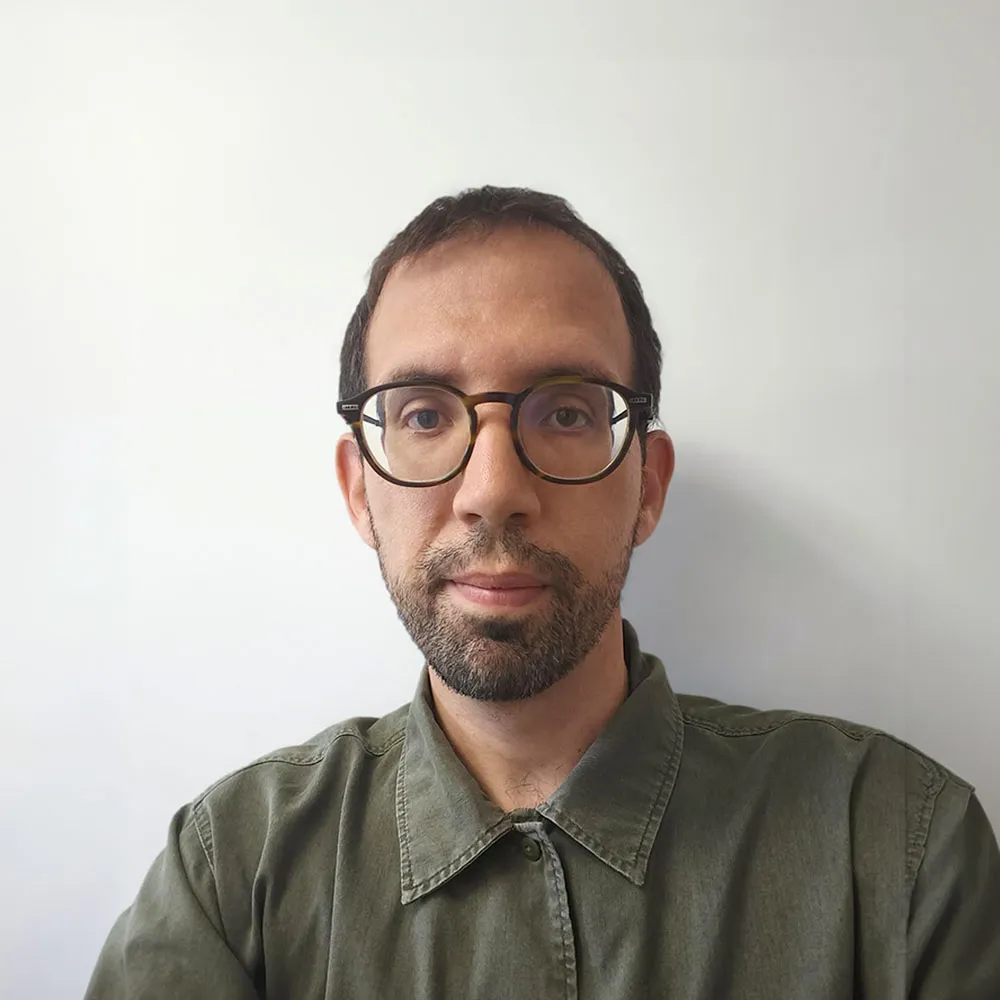
Ignasi Oliveras
Research Assistant
Doctor en Neurociencias y Máster en Bioinformática y Bioestadística. Cuenta con más de una década de experiencia en investigación en temas
relacionados con las neurociencias y la salud mental. Especializado en análisis estadístico
avanzado y ciencia de datos, combina su conocimiento neurocientífico con la aplicación de modelos de machine learning en proyectos de salud mental en poblaciones vulnerables. Es
autor de más de 30 artículos científicos en revistas internacionales y coordinador de proyectos multidisciplinares.
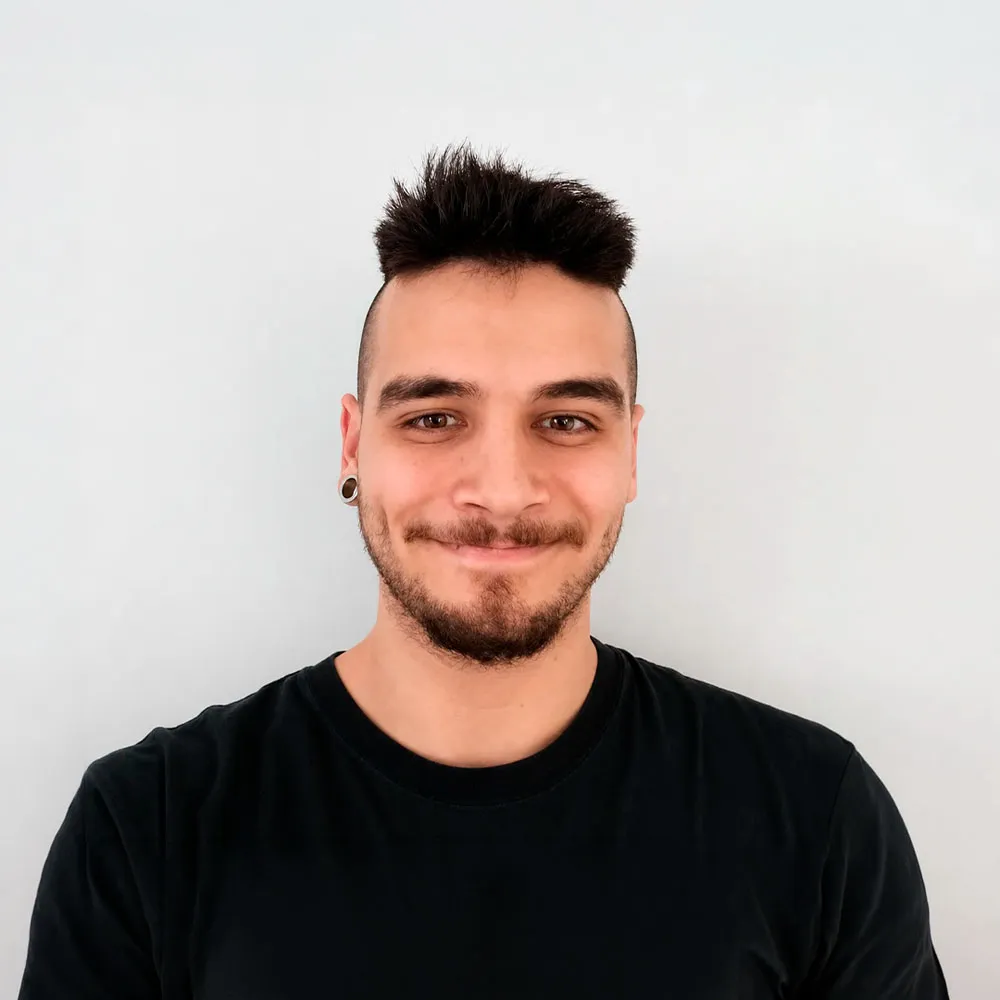
Bruno Addiego
Research Assistant
Graduated in Biomedical Engineering and holds a Master’s degree in Neuroengineering. He joins INAB as a research assistant, contributing to the experimental work of studies as well as signal processing tasks. His professional background has focused on technical service and the repair of medical and laboratory equipment.
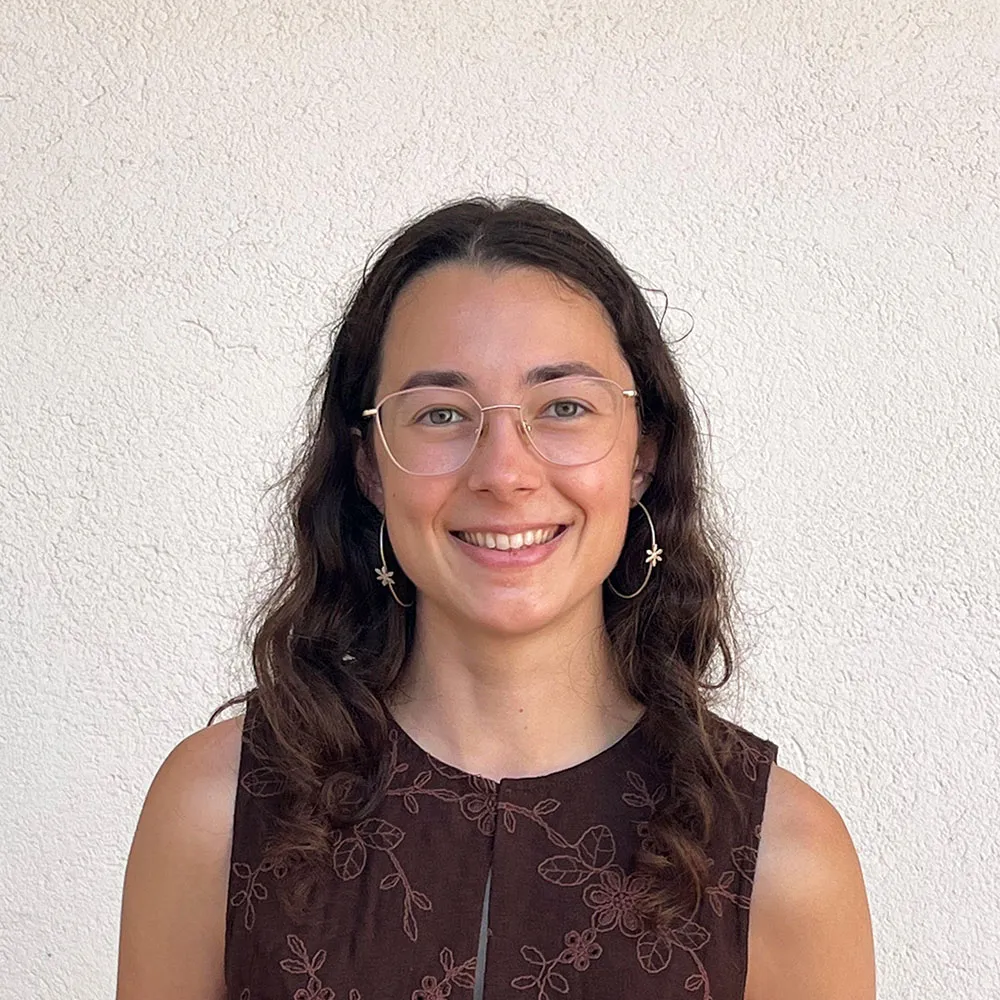
Laia Montoto
Research Assistant
Bachelor’s degree in Biomedical Sciences from the Universitat Autònoma de Barcelona, with a Master’s degree in Introduction to Mental Health Research from CIBERSAM. She has experience in observational studies with humans. Her Master’s thesis consisted of a pilot study on psychopathic traits and resting-state functional connectivity, primarily using the fNIRS technique.
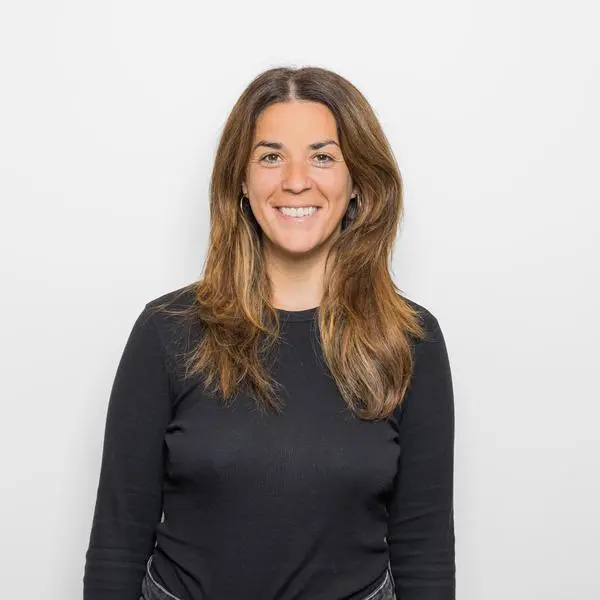
Yasmina Navarrete
Communication Manager
Graduate in Public Relations and Advertising from Ramon Llull University, with 18 years of experience in communication within the health sector, as well as in the organization of events, retreats, and wellbeing-oriented projects. Gestalt psicotherapist with a gender and trauma-informed perspective, currently pursuing a Degree in Psychology. Also trained in Extra-Ocular Vision at the Escreix Centre. Deeply interested in human development and personal transformation processes.
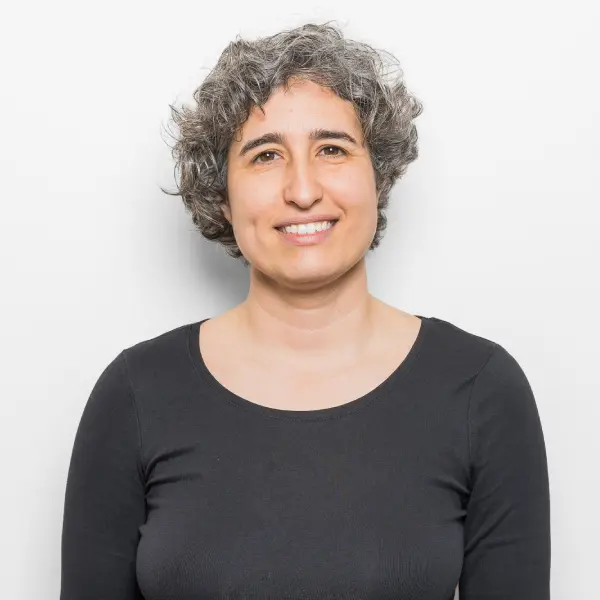
Diana Perea
Management & Volunteering
Project management specialist with a Master’s degree in Youth and Society, and extensive experience coordinating socio-educational services. Expert in team coordination and resource facilitation. Advisor, trainer, and group facilitator. She combines a global, goal-oriented perspective with a versatile and creative professional profile. She works from a place of empathy, curiosity, and a collaborative spirit to foster cohesion and motivation within the work environment.
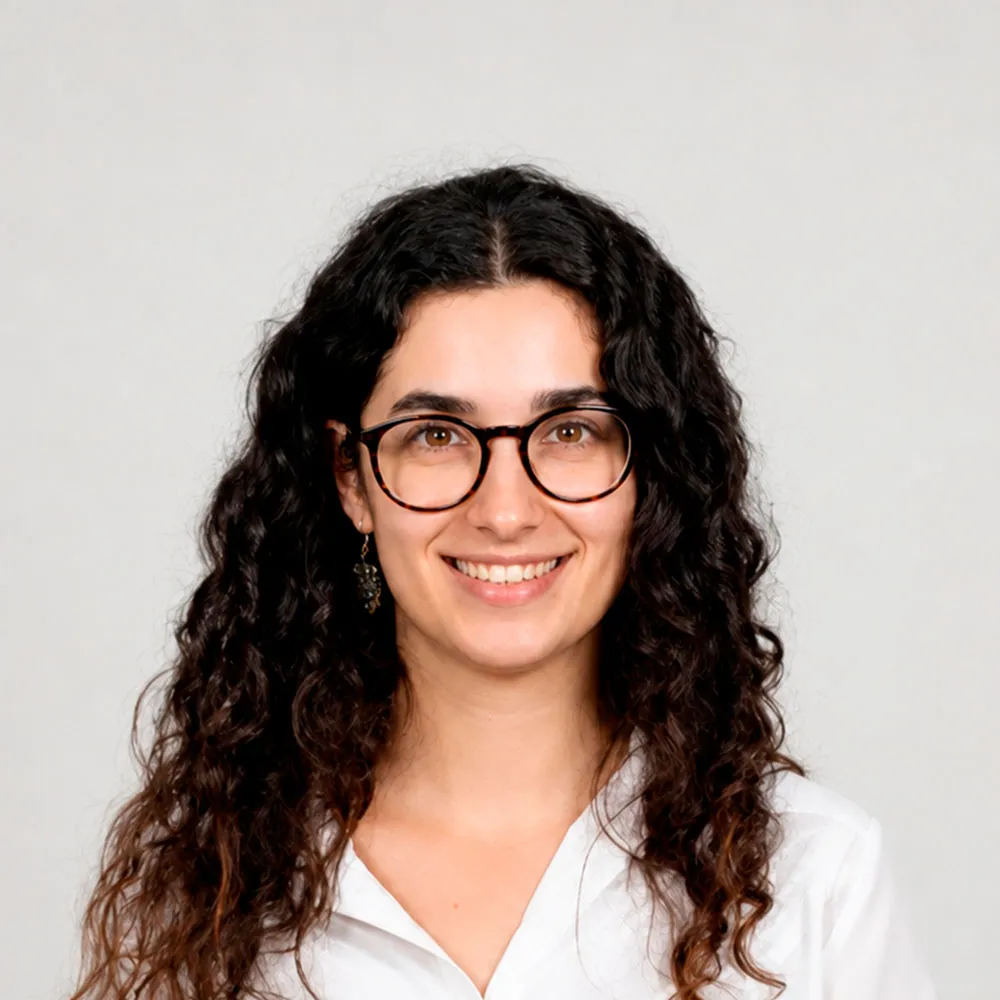
Denisa Marra
Administrative Technician
Graduated in Public Administration (Panteion University) and holds a Master’s degree in Education and Human Rights (National and Kapodistrian University). Specialized in gender equality, educational intervention, and emotional development through art, with training in emotional intelligence. She has experience in administration (Hellenic Parliament) and project management within third-sector organizations. Committed to social inclusion, equality, and integrating a human-rights perspective across all her projects.
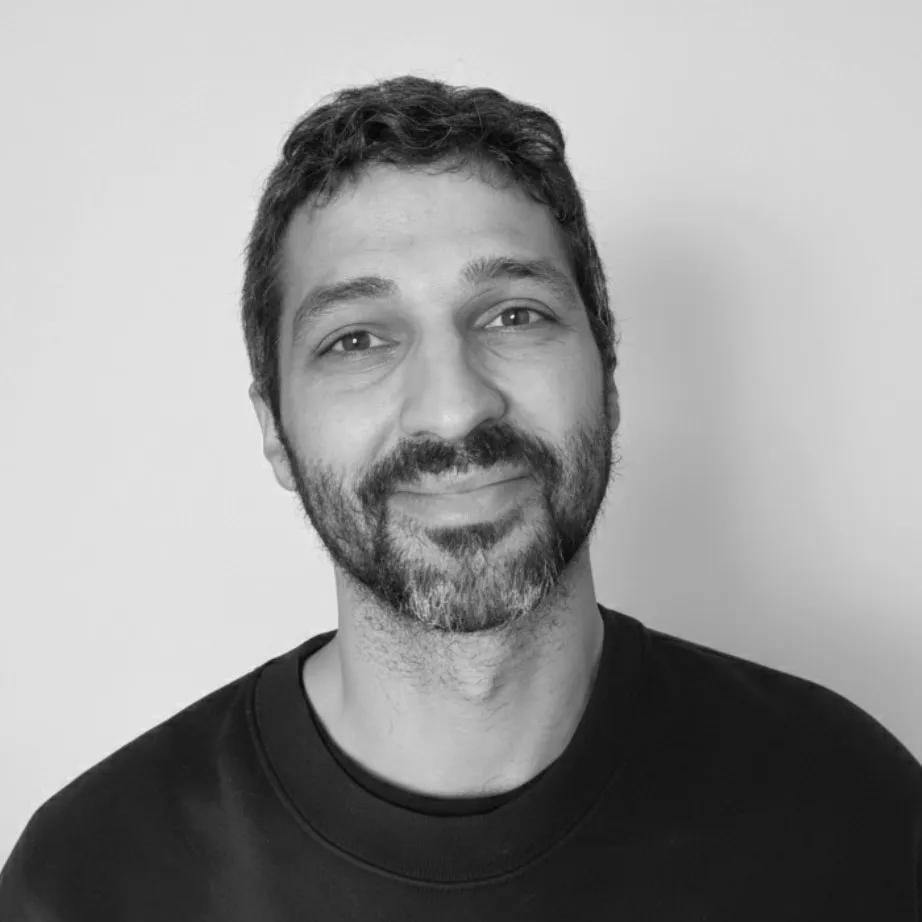
Lleïr Massana
Graphic Designer
Graphic designer with over 10 years of experience in visual communication, videography, and digital marketing. He has worked on developing brands across multiple formats, from visual identity and audiovisual production to advertising for web, radio, and television. His work focuses on creating visual content that combines aesthetic impact with communicative effectiveness.
Our collaborators
At INAB, we are open to collaborations with companies and institutions that share our purpose and passion for science. If you are interested in collaborating with us, please contact us via email: info@inablab.org.





We work in an environment designed to balance scientific rigor, creativity and well-being, promoting not only research excellence but also the personal development of the team. If you are interested in doing research with us or would like to sign up for our volunteer program, please contact us via the contact form or email: info@inablab.org.